Measure what a guest does next
A restaurant website has a few jobs: show the menu, say when the doors are open, and send the guest on to order, call or drive over. We measure those last steps. On the restaurant sites we build, Google Analytics 4 records three kinds of clicks as key events: a click on an ordering link, a click on a phone number or email address, and a click for directions.
Each counts once per visit. A guest who compares DoorDash, Grubhub and Uber Eats before choosing is one visit with an order click, not three orders. The events carry no dollar value, because a click is not a sale. When we set up King Katsu Land, Google's setup screen saved a default value of $1 on each event even though we had chosen none, so we removed it and checked the saved setting.
Links and labels for each location
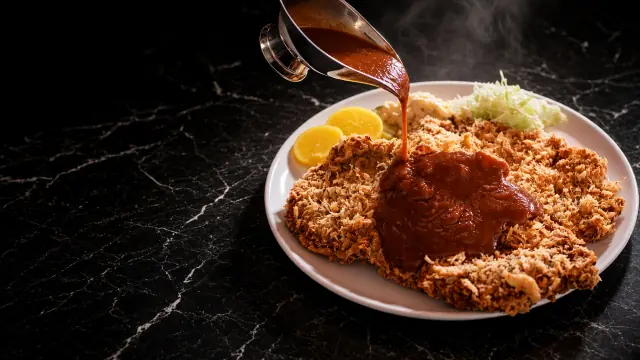
King Katsu Land has two restaurants, in Daly City and Newark. Each has its own phone link, directions link and Order links to DoorDash, Grubhub and Uber Eats, and every click carries its location's label. The owner sees which restaurant guests were trying to reach, not only that they clicked.
Midori Sushi takes orders through ChowNow, and Cocobang through Uber Eats, DoorDash and Grubhub. The click is recorded as the guest leaves for the ordering page. The order itself is placed on that service, so we do not see it.
Google Business Profile visits, kept apart
Many guests reach a restaurant's website from its Google Business Profile, the listing next to the map. Without a label, those visits look like any other visit from Google. On Midori Sushi's profile, the website and menu links carry campaign labels, so visits from the listing are counted as their own source, and the menu link apart from the website link. Our analytics keeps those labels and drops the rest of the address's query string.
Search, including AI answers
Google Search Console is connected for each domain, so we can see which searches show the site, at what position, and how often guests click. Search Console also reports how often a site appears in Google's AI Overviews and AI Mode. We read that report for Midori Sushi on September 27, 2026.
We also add the site to Bing Webmaster Tools and submit its sitemap there, because Bing's index is used beyond Bing itself, including by Microsoft Copilot. Midori Sushi's site was added on September 27.
What we leave out
- Visitors who ask not to be tracked. When a browser sends Global Privacy Control or Do Not Track, our script does not load analytics.
- Automated visits we can recognize: browser automation, crawlers and preview bots, and every staging or test address.
- Personal details. Phone numbers and email addresses are replaced before anything is sent, and query strings and fragments are removed from addresses.
- Advertising features. Google signals and ad personalization are switched off.
The first day is a test day
Before a site's measurement counts, we click through it ourselves: the menu, the order links, the directions. Those test clicks land in the same reports, so we write down when they happened and leave that day out of every result we publish. For the three restaurant sites, the published figures start on September 25, 2026, after the setup checks.
A checklist
- Order, call and directions clicks are key events, counted once per visit, with no dollar value.
- A restaurant with more than one location has links and labels for each.
- Links on the Google Business Profile carry campaign labels.
- Search Console and Bing Webmaster Tools are connected, and the sitemap is submitted to both.
- Privacy signals are honored, known automation is left out, and personal details are removed before sending.
- Test visits are dated and left out of reported results.
Facts in this note come from our setup records for the three sites, September 23–27, 2026.